

The secret to a perfect Yorkshire Pudding Recipe is less about ingredients and more about a single, simple scientific principle: extreme heat. This deceptively easy side dish transforms from a utilitarian batter into a spectacular, golden puff through the magic of superheated steam.
To master the dish, whether you seek the traditional form or a modern adaptation, you must adhere to one rule: Temperature is King. The fat must be smoking hot when the cold batter hits the tin.
I. The Traditional Master Recipe: Precision and Puff
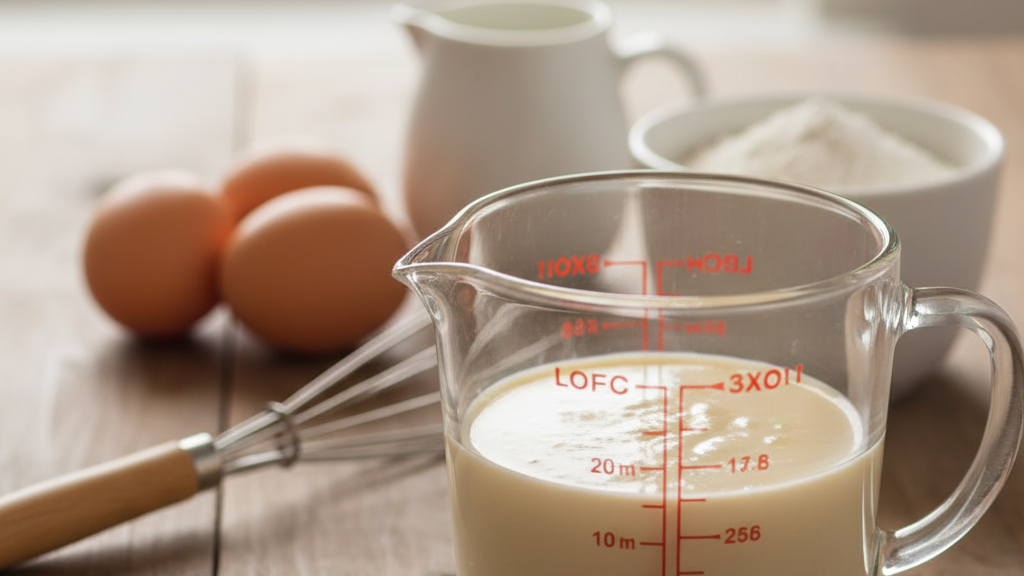
The foundation of a classic, high-rising Yorkshire Pudding is the canonical ratio of 1:1:1 by volume (flour, eggs, milk).
- Ingredients (Canonical 1:1:1):
- 100g Plain Flour (All-purpose)
- 100ml Whole Milk (at room temperature)
- 2 Large Eggs (at room temperature)
- Pinch of Salt
- Beef Dripping or High Smoke Point Oil (for the tin)
- Step-by-Step Method:
- Mix the Batter: Sift the flour and salt. Whisk the eggs and milk together, then gradually whisk the liquid into the flour until the batter is perfectly smooth.
- Resting (Mandatory): Cover the batter and rest it at room temperature for a minimum of 30 minutes. This relaxes the gluten, ensuring a lighter texture and maximum volume.
- Preheat Oven & Fat: Preheat the oven to 220°C to 230°C (430°F to 450°F). Place 1-2 teaspoons of fat into each cup of your muffin/Yorkshire tin. Return the tin to the oven until the fat is visibly smoking hot.
- Pour and Bake: Working very quickly, pour the cold batter into the smoking fat, filling each cup two-thirds full.
- The Golden Rule: Bake for 18-20 minutes. It is essential not to open the oven door during this rising period, as the rush of cold air will cause the puddings to collapse.
II. Mastering Dietary Adaptations
Substituting core ingredients like gluten and eggs requires engineering new structural binders to trap the steam.
Gluten Free Yorkshire Pudding
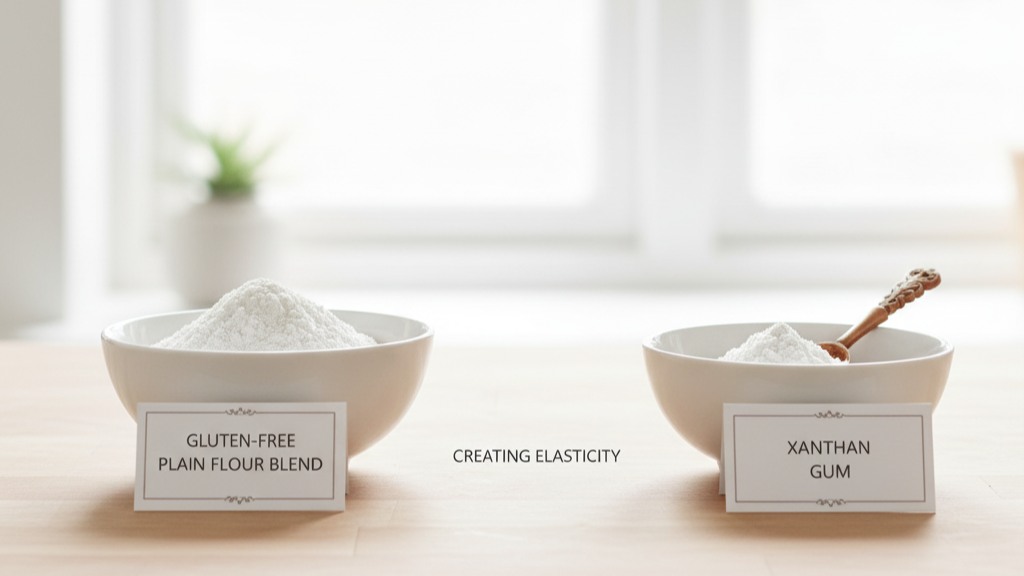
The challenge is creating elasticity without wheat.
- Structural Binder: Use a Gluten-Free Plain Flour Blend and add 1/2 teaspoon of Xanthan Gum (an essential hydrocolloid binder) to the dry ingredients.
- Mixing: Sift the GF flour, salt, and Xanthan Gum together thoroughly before adding the wet ingredients.
- Mandatory Rest: Rest the batter for a minimum of 1 hour to allow the Xanthan Gum to fully hydrate, giving the batter the necessary strength to rise.
- Cooking: Follow the traditional high-heat cooking method exactly.
- Since we’re on the topic of “gluten-free”, read up on how to make gluten free brownies.
Vegan Yorkshire Pudding
This adaptation replaces both egg protein and animal fat.
- Protein Replacement: Use a blend of standard plain flour and chickpea flour (60g chickpea flour per 100g standard flour is a good start) to provide protein structure.
- Auxiliary Lift: Add 1 teaspoon of Baking Powder to assist the plant proteins in setting under high heat.
- Fat Choice: Use a high smoke point neutral vegetable oil (rapeseed or sunflower) in the tin.
- Method Difference: Whisk the batter aggressively (ideally with a blender) to ensure the chickpea proteins are fully activated. Bake time may be slightly longer (20-25 minutes).
III. The Savory Evolution: Yorkshire Pies
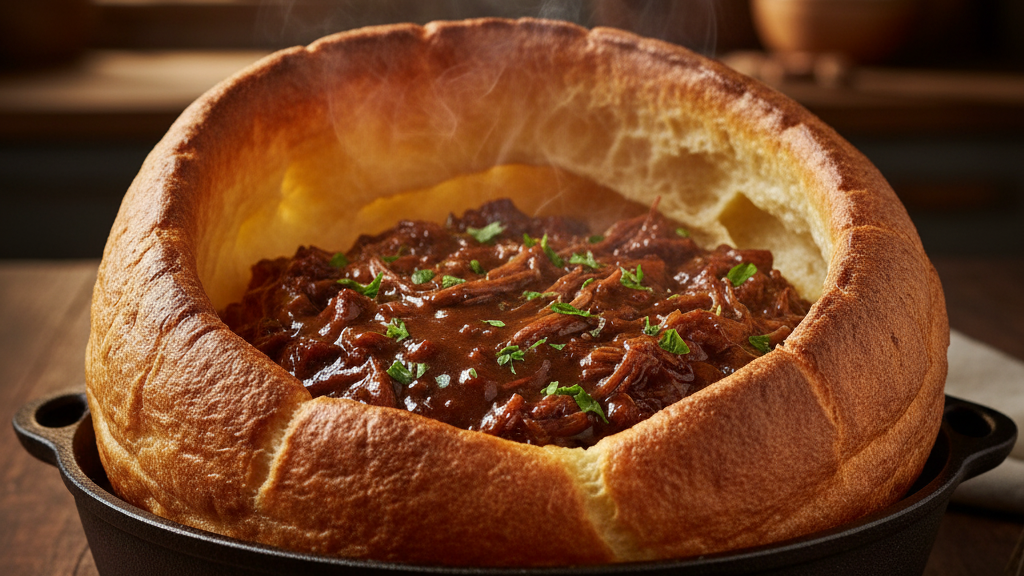
The yorkshire pies concept is a modern, large-format extension of the pudding’s historical purpose.
- Concept: The standard batter is baked in a large roasting pan or deep cake tin to create a giant, bowl-like casing.
- Assembly: Ensure the fat is smoking hot and the batter is poured in quickly. Bake until the walls are dramatically risen and firm.
- Serving: The structure is filled post-bake with savory fillings like stewed meat, roasted vegetables, or pot roast, turning the traditional side dish into a magnificent centerpiece.
- Linking savory fillings, also check out our traditional meatloaf recipe.
Conclusion
The enduring popularity of the Yorkshire Pudding, across its traditional form and its sophisticated gluten free and vegan counterparts, is a testament to its functional brilliance. Mastery is achieved when the structural components—be they gluten, Xanthan Gum, or chickpea protein—can withstand the explosive force of steam generated by extreme heat. By respecting this single thermal principle, the home cook transforms simple ingredients into an airy, crisp vessel perfect for absorbing gravy and elevating the classic roast dinner.
When discussing side dish alternatives, a simple potato salad recipe might be the way to go.