
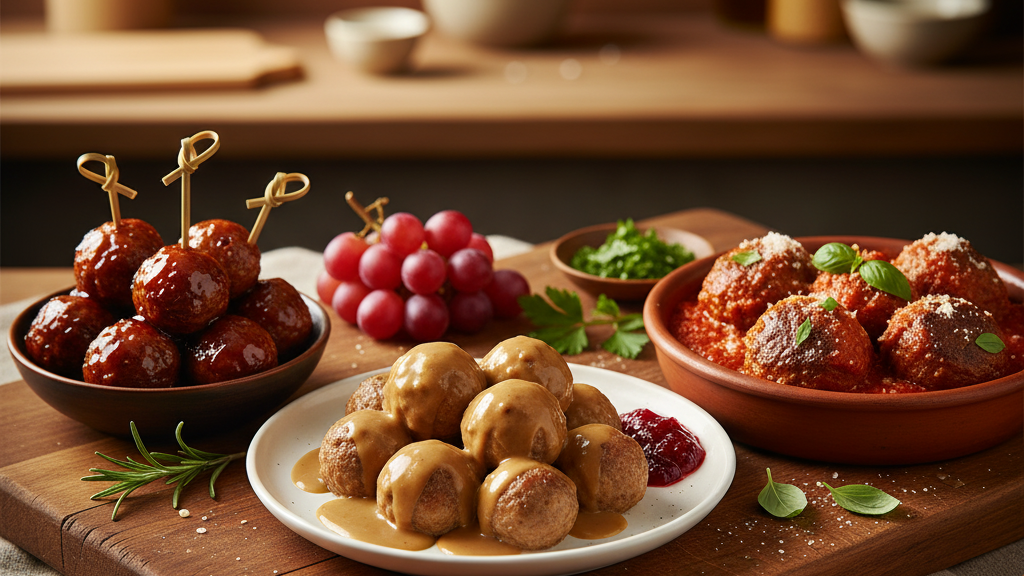
The meatball represents one of the most resilient and adaptable culinary traditions worldwide. Tracing its origins back to ancient Persia as kofta and further influencing Greek and Roman dishes like isicia, the practice of mixing ground meat with herbs, spices, and grains was initially a practical way to create a nutritious and hearty meal. Today, this ancient technique underpins a vast variety of cultural dishes, each demanding specific ingredients and preparation methods dictated by the intended flavor profile and serving style.
Global Techniques: Simple Recipes for the Home Cook
Culinary success with meatballs is achieved by understanding the functional role of each ingredient. The following recipes are simplified to help home cooks master diverse international styles and accommodate modern dietary needs.
1. Mastering Gluten Free Meatballs
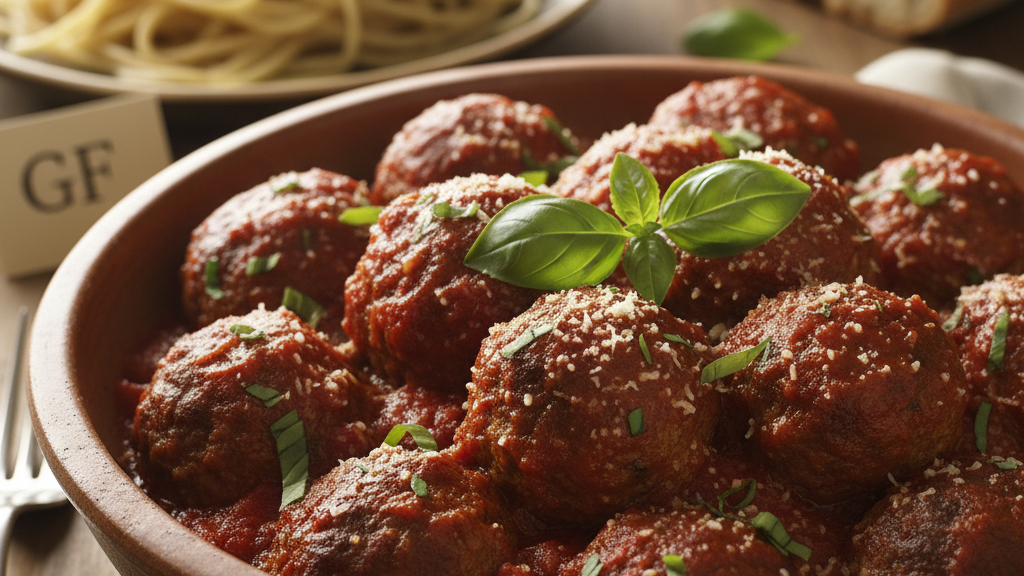
When making gluten free meatballs, the focus shifts to using alternative binders that prevent the meat from drying out or becoming overly dense.
- Binder Substitution: Replace traditional breadcrumbs with pulsed gluten-free oats, almond flour, or commercial gluten-free breadcrumbs.
- Moisture Tip: Incorporate a tablespoon of milk, heavy cream, or ricotta cheese for a more tender texture, especially when using lean meats.
- Flavor Base: Use fresh Parmesan cheese, garlic powder, and onion powder to maintain a rich, savory flavor.
- Mixing: Gluten-free binders can become sticky when wet, so mix gently and avoid overworking the meat.
- Cooking: Bake or pan-fry and serve as you would a traditional meatball.
- Check Out: simple meatloaf recipe
2. Swedish Meatballs and the Swedish Meatball Recipe
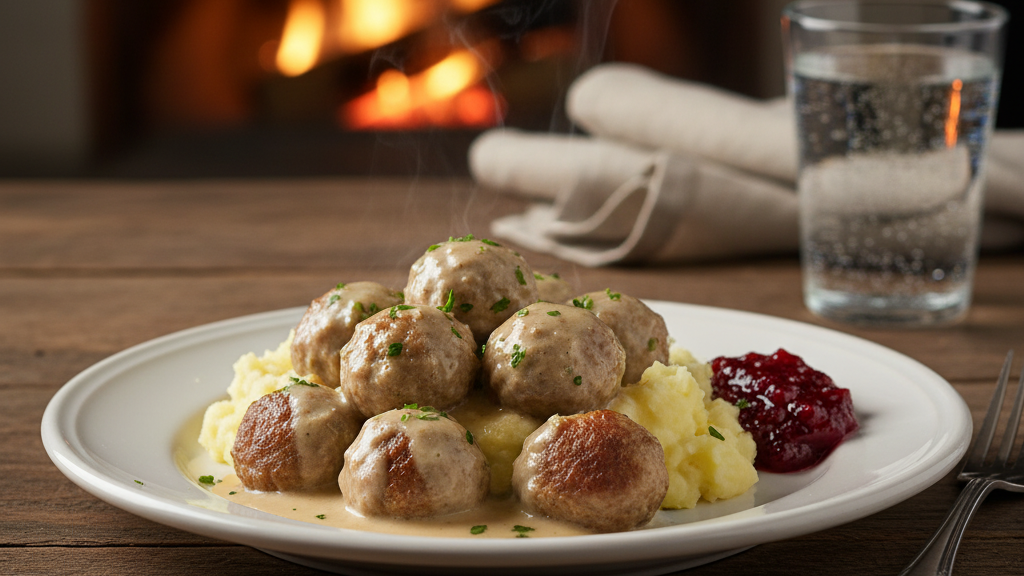
The classic swedish meatball recipe (Köttbullar) prioritizes tenderness and is defined by its subtle spices and rich, creamy sauce.
- Meat Mixture: Combine equal parts ground beef and ground pork for richness.
- Tenderizer (Panade): Soak breadcrumbs (or panko) in milk or stock, and mix this into the meat along with one egg.
- Signature Spices: Season with finely grated onion, garlic, allspice, and nutmeg for the signature flavor.
- Cooking: Brown the 1-inch meatballs in a skillet, then remove them and start the gravy.
- Creamy Gravy: Melt butter, whisk in flour (to create a roux), then gradually add beef stock, followed by heavy cream or sour cream. Add a dash of Worcestershire sauce or soy sauce for depth.
- Serve: Return the swedish meatballs to the gravy to simmer gently. Serve with mashed potatoes and lingonberry jam.
3. Creating Tender Turkey Meatballs and Chicken Meatballs
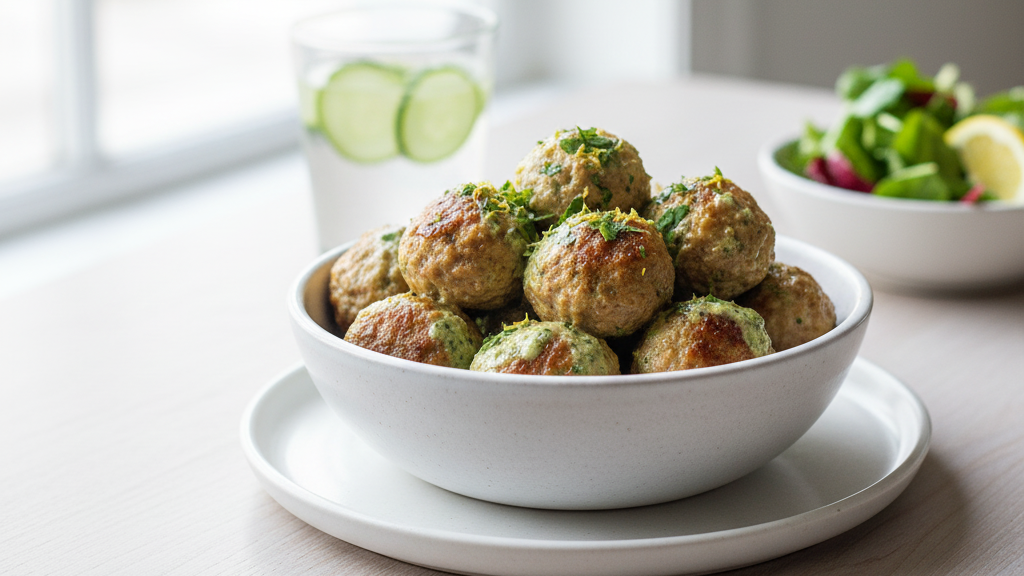
Switching to leaner proteins like turkey meatballs or chicken meatballs requires active steps to prevent them from becoming dry.
- Protein Choice: Use 93% lean ground turkey or chicken, which contains slightly more fat than ultra-lean breast meat.
- Moisture Additives: Reintroduce moisture by mixing in wet binders like milk, ricotta cheese, or finely grated onion.
- Flavor Boost: Since lean meat is subtle, season aggressively using freshly grated Parmesan cheese and intense aromatics like garlic and fresh herbs (basil, parsley). Umami flavor can be added using a little Worcestershire sauce or smoked paprika.
- Cooking: Bake until the internal temperature reaches 165°F (74°C) to prevent drying out.
- Check out: simple chicken salad recipe
4. Albondigas (Mexican Meatball Soup)
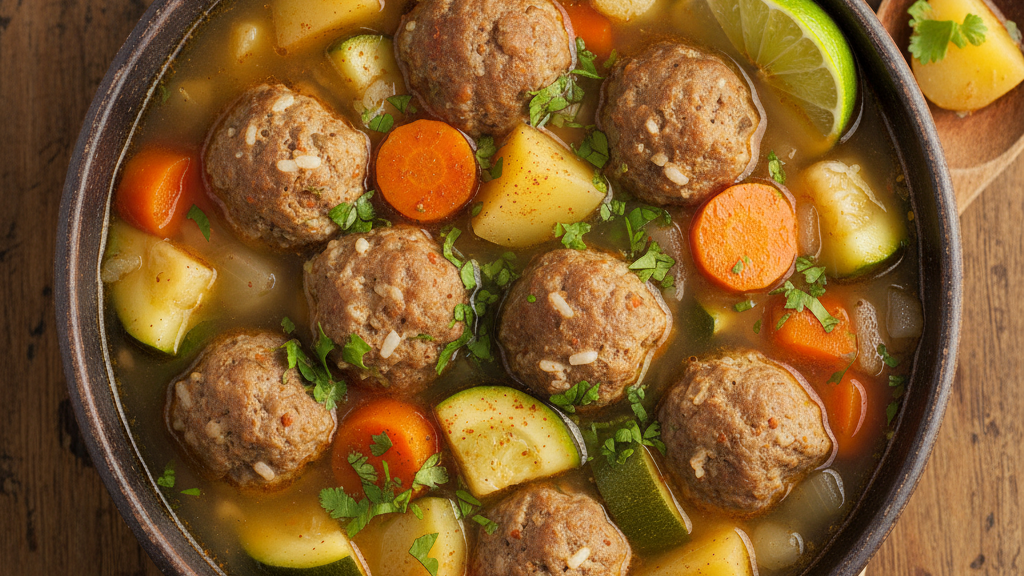
Albondigas are designed specifically to be cooked in liquid, forming the center of a nutritious soup (Caldo de Albondigas).
- Meat and Filler: Use ground beef or ground turkey, and mix in uncooked white rice. The rice swells during cooking, keeping the meatball shape firm.
- Distinct Seasoning: Season the meat with classic Mexican spices like cumin, cilantro, garlic, and crucially, fresh mint.
- Cooking Method: Form small meatballs and drop them directly into simmering beef or chicken broth containing sautéed vegetables (like onions, carrots, and potatoes).
- Serve: Finish the soup with fresh lime juice and warm tortillas.
5. Grape Jelly Meatballs (Appetizer)
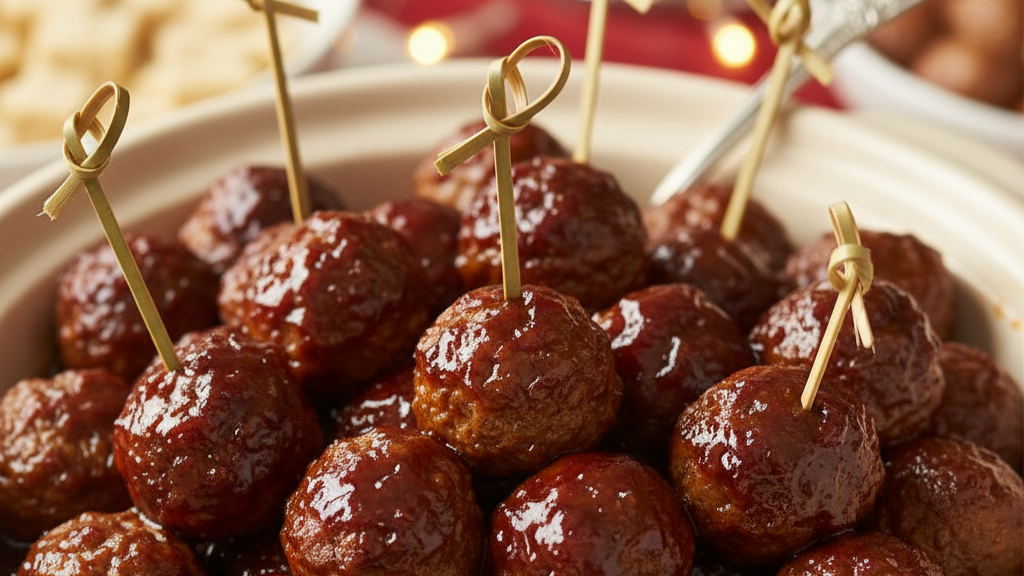
These grape jelly meatballs maximize convenience and deliver a popular sticky, sweet-and-sour glaze, often prepared in a slow cooker.
- Meatballs: Start with a bag of frozen, pre-cooked, bite-sized meatballs.
- Simple Sauce Base: Combine two primary ingredients: grape jelly (for sweetness and viscosity) and a tangy component like chili sauce (a zesty condiment) or BBQ sauce/ketchup.
- Optional Boost: Add a splash of Worcestershire sauce for a deeper savory note.
- Cooking: Place all ingredients in a slow cooker and cook on low for 3-4 hours, stirring until the meatballs are thoroughly heated and coated in the glaze.
6. The Classic Meatball Sub
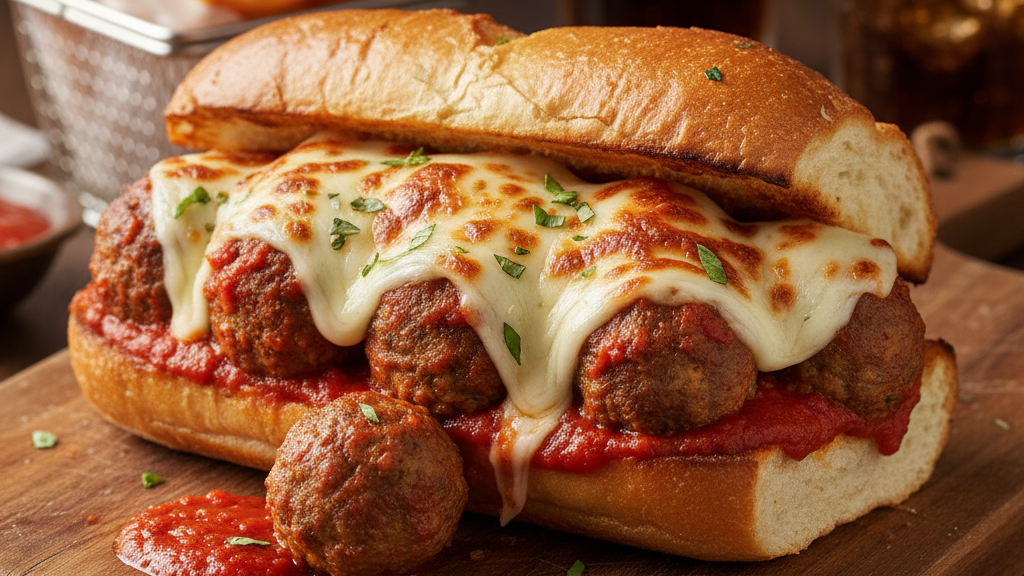
The meatball sub requires a robust, flavorful Italian-style meatball that can stand up to a rich sauce and melted cheese.
- Meatballs: Use substantial Italian-style meatballs, often pre-cooked and made from beef, or a beef and sausage blend.
- Sauce Prep: Gently simmer the meatballs in marinara sauce to ensure they are fully saturated with flavor and moisture.
- Bread Assembly: Use sturdy hoagie rolls or baguettes. For a better sandwich, scoop out some bread from the interior and brush with olive oil and garlic salt before toasting.
- Finishing: Fill the toasted roll with sauced meatballs, and top generously with shredded mozzarella or provolone cheese. Bake or broil until the cheese is melted and bubbly.
- Check Out: How to make the perfect Yorkshire Pies
Conclusion
The enduring legacy of the meatball lies in its versatility. From the classic Italian-American sphere destined for the meatball sub to the subtly spiced, soft texture of the swedish meatball recipe, culinary success is achieved by understanding and respecting the functional requirements of the finished dish. Whether engineering turkey meatballs for maximum moisture or selecting the proper binder for gluten free meatballs, the science of rolling ground meat remains a dynamic and rewarding craft