
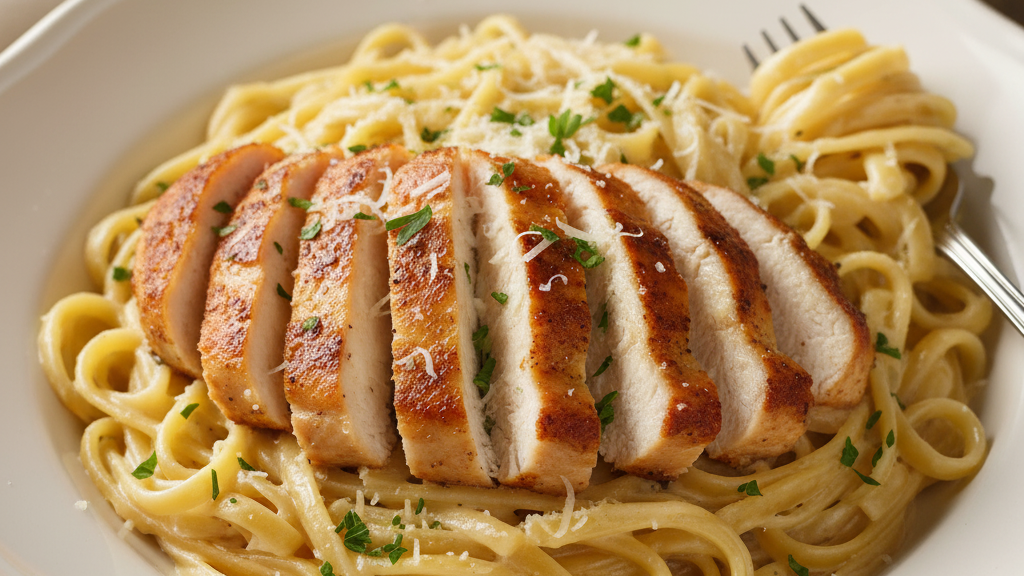
The dish known globally as alfredo sauce is a fascinating subject of culinary contrast, embodying a dramatic divergence between the refined tradition of its Italian birthplace and the rich, abundant preparation favored in modern American cooking. Understanding this distinction is foundational to preparing either version successfully, whether crafting an authentic Roman specialty or an easy, satisfying weeknight meal like chicken alfredo pasta. The American standard resolves the structural instability of the original recipe by introducing a substantial base of heavy cream, creating a forgiving, consistently thick coating for the pasta.
Simple Techniques for Creamy, Rich Alfredo
The following recipes are the fastest and most stable ways to achieve a professional-quality homemade alfredo sauce that pairs perfectly with protein and pasta. The key to success lies in using high-quality ingredients, especially freshly grated Parmesan cheese, and managing the temperature carefully.
1. Homemade Alfredo Sauce (The Alfredo Sauce Recipe Easy Standard)
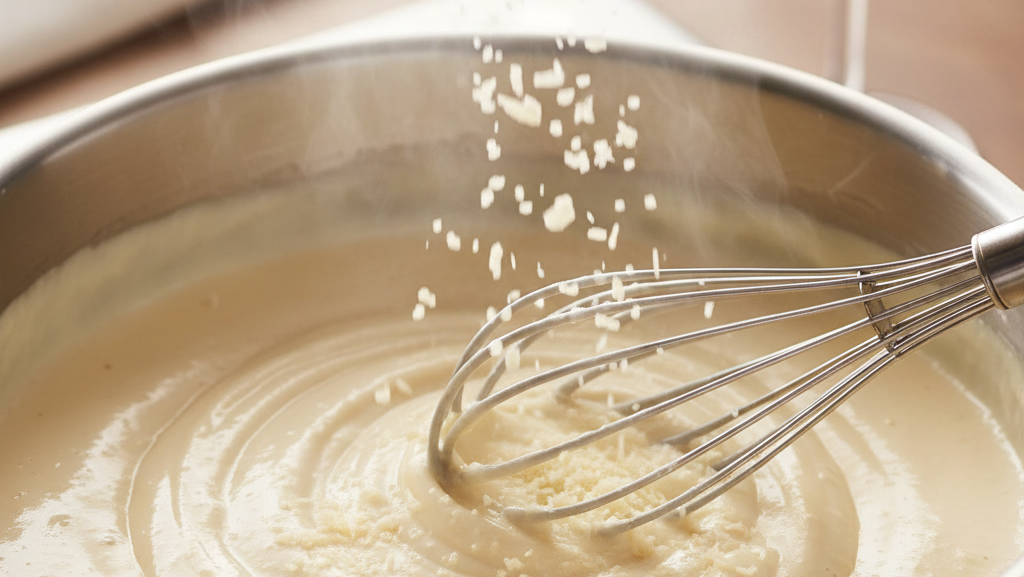
This is the rich, creamy sauce most home cooks prefer, as it is stable and simple to make, covering the concepts of alfredo sauce and homemade alfredo sauce.
- Ingredients: Butter, heavy cream (or half-and-half), minced fresh garlic, freshly grated Parmesan cheese, salt, pepper, and a pinch of nutmeg (optional).
- Step 1: Start the Base
- In a saucepan, melt the butter over medium-low heat.
- Add the cream and the minced garlic. Bring the mixture to a very low simmer for about 3-5 minutes, stirring frequently. Crucially, do not let it come to a boil.
- Step 2: Incorporate the Cheese
- Remove the pan from the heat entirely.
- Gradually whisk in the freshly grated Parmesan cheese, adding small amounts at a time until the cheese has fully melted and the sauce is smooth.
- Tip: Use freshly grated Parmesan (not pre-shredded), as pre-shredded cheese contains anti-caking agents that cause the sauce to become grainy.
- Step 3: Season
- Stir in salt, pepper, and a pinch of nutmeg.
- Toss immediately with warm pasta or use as a base for chicken.
2. Chicken Alfredo Pasta (The Complete Meal)
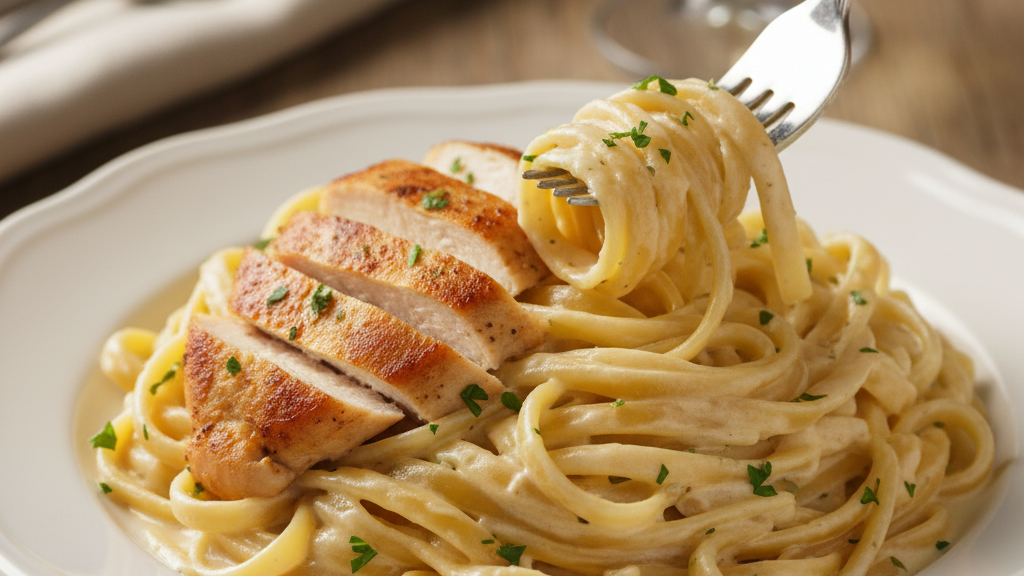
This method for the chicken alfredo recipe ensures the sauce picks up savory flavor directly from the seared protein.
- Step 1: Prepare the Chicken
- Season and sear boneless, skinless chicken breasts in a large skillet (or pan) with olive oil over medium heat until a brown crust forms and the internal temperature reaches 160°F-165°F.
- Remove the chicken, let it rest, and then slice it into strips.
- Step 2: Cook the Pasta
- Cook fettuccine (or your preferred noodle) until it is al dente (slightly firm).
- Reserve about a half-cup of the starchy cooking water before draining the pasta.
- Step 3: Make the Sauce in the Same Pan
- Using the same skillet (leaving the browned bits of chicken behind), make the Alfredo sauce base by melting butter, adding heavy cream, and simmering gently.
- Whisk in the freshly grated Parmesan cheese off the heat until smooth.
- Step 4: Combine and Finish
- Add the cooked pasta directly into the sauce and toss gently to coat everything.
- If the sauce is too thick, add a splash of the reserved pasta water to thin it out and help it cling to the noodles.
- Stir the sliced chicken into the finished chicken alfredo pasta and serve immediately.
- Check Out: simple chicken salad recipe or traditional meatloaf recipe
3. Bertolli Alfredo Sauce (Quick Quality Upgrade)
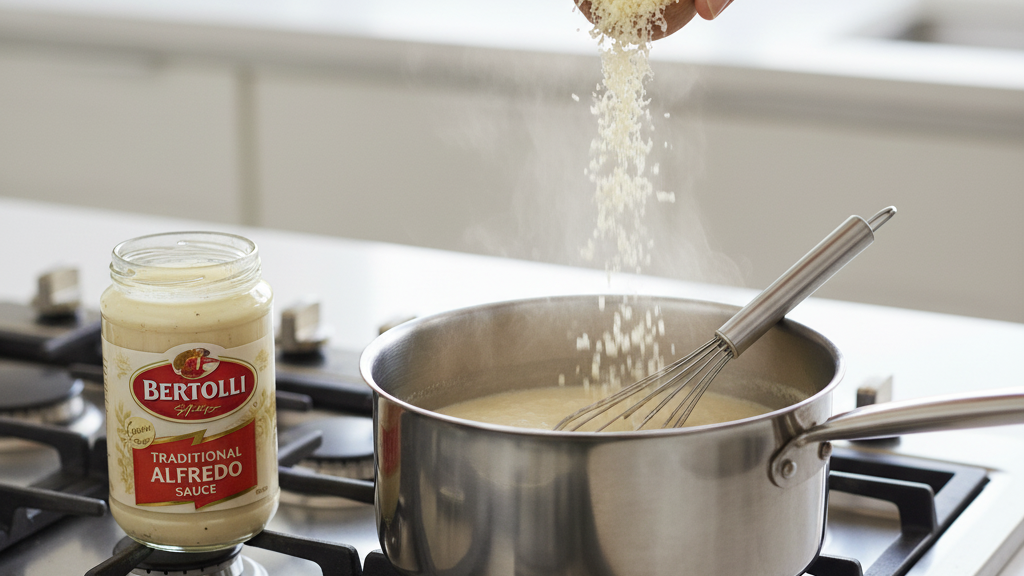
Commercial sauces are quick, but often benefit from a simple addition to improve flavor and thickness. If you choose to use a jarred product like bertolli alfredo sauce, follow these steps for the best result.
- Ingredients: One jar of commercial sauce, plus extra freshly grated Parmesan cheese.
- Step 1: Heat Gently
- Pour the jarred sauce into a saucepan and heat over medium-low heat. Do not bring the sauce to a rapid boil.
- Step 2: Thicken and Enhance
- Once the sauce is warm, stir in a handful (about 1/2 cup) of freshly grated Parmesan cheese.
- The additional cheese will melt smoothly into the sauce, boosting the flavor and helping to thicken the sauce if it appears too thin or runny.
- Step 3: Serve
- Use the enhanced sauce for dipping, or pour over your favorite pasta and protein.
The Chemistry of Cream
The success of American-style Alfredo relies on heavy cream, typically containing at least 36% milk fat, which provides a high-fat liquid matrix that is robust and stable. When the cream is reduced by simmering, it thickens naturally and forms a stable foundation that easily holds the added Parmesan cheese. The fat in the cream coats the cheese proteins, allowing the cheese to melt smoothly. However, heat management remains critical: the sauce should never be boiled over high heat once the cheese is introduced, as this risks curdling the cream and causing the sauce to separate into an oily, grainy mixture.
Expert Tip: The Power of Fresh Cheese
Whether preparing a homemade alfredo sauce or upgrading bertolli alfredo sauce, only freshly grated Parmesan cheese should be used. Pre-shredded cheese is often coated with anti-caking agents, such as cellulose powder, which actively prevents the cheese from melting smoothly into the sauce, almost guaranteeing a gritty texture.
Conclusion
Alfredo sauce is a dish defined by its method. While the authentic Roman recipe relies on delicate thermal emulsification, the popular American-style homemade alfredo sauce offers a stable, flavorful, and easy preparation suitable for family meals like chicken alfredo pasta. The primary recommendation for the home cook is to prioritize ingredient quality, specifically using freshly grated Parmesan cheese and high-fat heavy cream, and to always control the temperature when melting the cheese. Mastery of this dish lies in respecting the chemistry of dairy for that perfect, creamy texture.
Read Next: how to make a margarita cocktail